The complete guide
Getting the fastest cycle time from a small kitchen composter
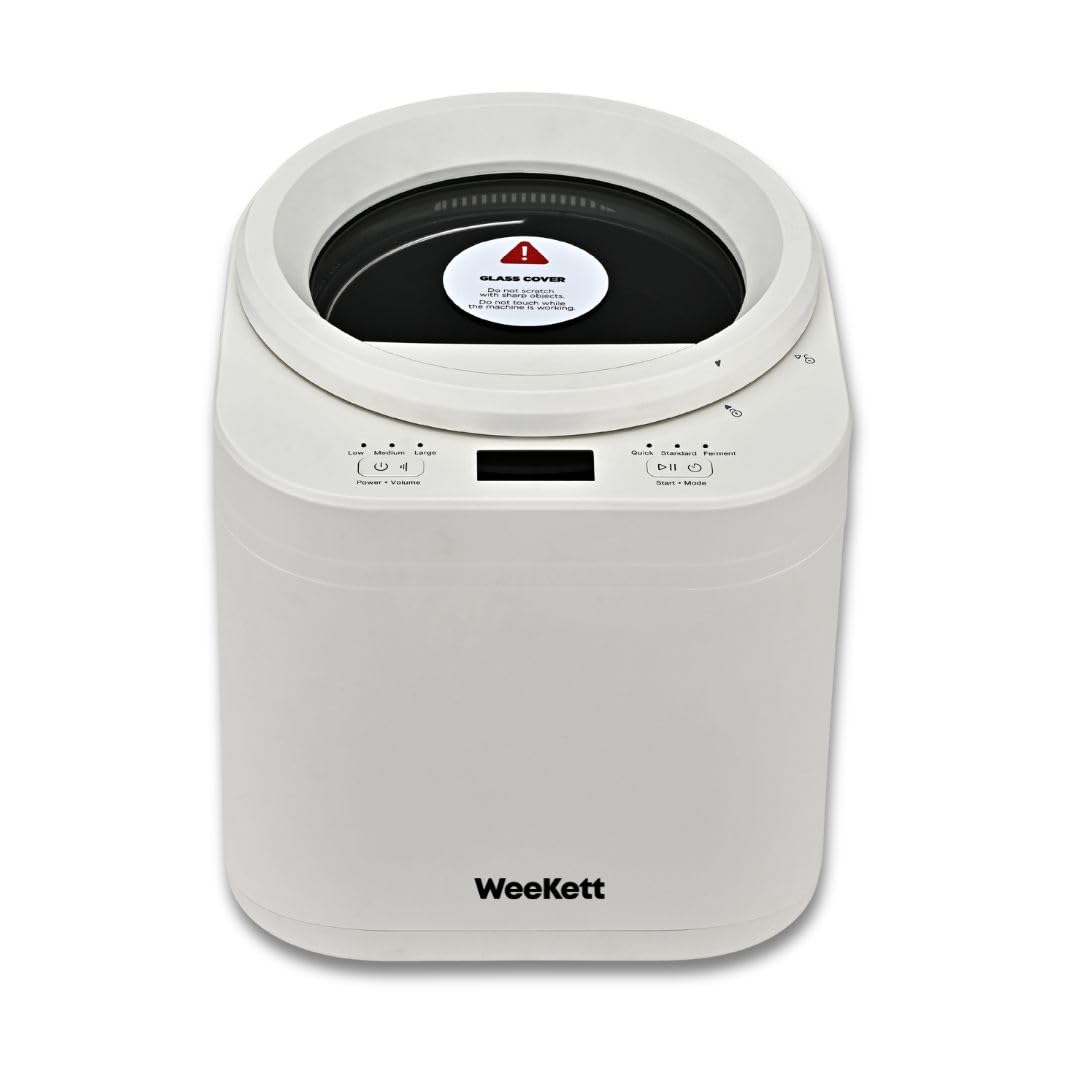
A 2.5L unit like the WeeKett rewards a bit of routine more than a bigger machine does, simply because the bucket fills faster. Here is how to get consistent, fast cycles out of it rather than fighting the timer.
Match the mode to what you're feeding it
Quick mode is built for soft, wet scraps: peelings, coffee grounds, plate leftovers. It dries and grinds in 2 to 4.5 hours, which is enough for daily emptying without ever letting the bucket sit and smell. Standard mode handles a mixed load a little better when you have tougher bits like citrus peel or bread crusts mixed in. Ferment mode is the one to reach for when you actually want to use the output in the garden — the longer 12–20 hour cycle produces a more broken-down, plant-ready material rather than just a dried, shrunk version of what went in.
Load little and often
Because the bucket only takes 300g to 700g per cycle, the fastest results come from running it every day or two rather than waiting for a full bucket. A half-full load still processes in the same time as a full one, so there is no efficiency lost by running smaller, more frequent cycles — and your kitchen never has a bucket of ageing scraps waiting its turn.
What not to put in it
Stick to fruit and vegetable scraps, coffee grounds, eggshells and small amounts of bread or grains. Avoid large bones, excess liquid, and anything oily in bulk — oil slows drying and can leave a residue that is harder to rinse out. If in doubt, chop larger pieces down first; smaller pieces process faster and more evenly.
Using the output
Quick-mode output is dried and shrunk food waste, not finished compost — mix it into a garden compost heap or bury it in soil at roughly a 1:10 ratio with existing compost or soil rather than applying it directly to plant roots. Ferment-mode output is further along and can go straight into planters in smaller quantities. Either way, you have diverted the material from landfill and cut the volume by up to 90% before it ever reaches a bin bag.