The complete guide
Choosing the right composting mode for your household size
A composter with a handful of modes is only as useful as your understanding of when to use each one — here's how to actually pick between them.
What "Quick" mode is actually for
Quick mode trades a little compost quality for speed, which is the right call for a household that composts daily and wants same-day turnaround more than a highly finished output. It's the mode to default to for routine, everyday scrap processing — coffee grounds, peelings, the normal churn of a working kitchen.
When "Standard" earns its place
Standard mode runs a bit longer and typically produces a more thoroughly processed result, useful when a load includes a wider mix of scrap types (some drier, some wetter) that benefit from more even processing time. If you notice Quick mode leaving occasional damp patches in a mixed load, switching to Standard for those batches usually solves it.
Don't skip the self-cleaning mode
It's tempting to only run processing cycles and never bother with the dedicated clean cycle, but skipping it is the single most common reason composters develop persistent odour issues over time — residue builds up in places a normal processing cycle doesn't fully address. Running the self-clean mode every week or two, even when the bucket looks fine, keeps the whole system working as intended for years rather than months.
Matching mode to household size
For one or two people generating light daily scraps, Quick mode run every day or two keeps things simple and the bucket never gets a chance to smell. For three or four people with heavier, more mixed loads, alternating Quick for routine days and Standard after a bigger cooking session (a Sunday roast, batch meal prep) gets the balance right between speed and thoroughness. Either way, don't be afraid to run the self-clean cycle more often than feels strictly necessary — it's the cheapest insurance against odour problems the unit can offer.
Watching the filter alerts
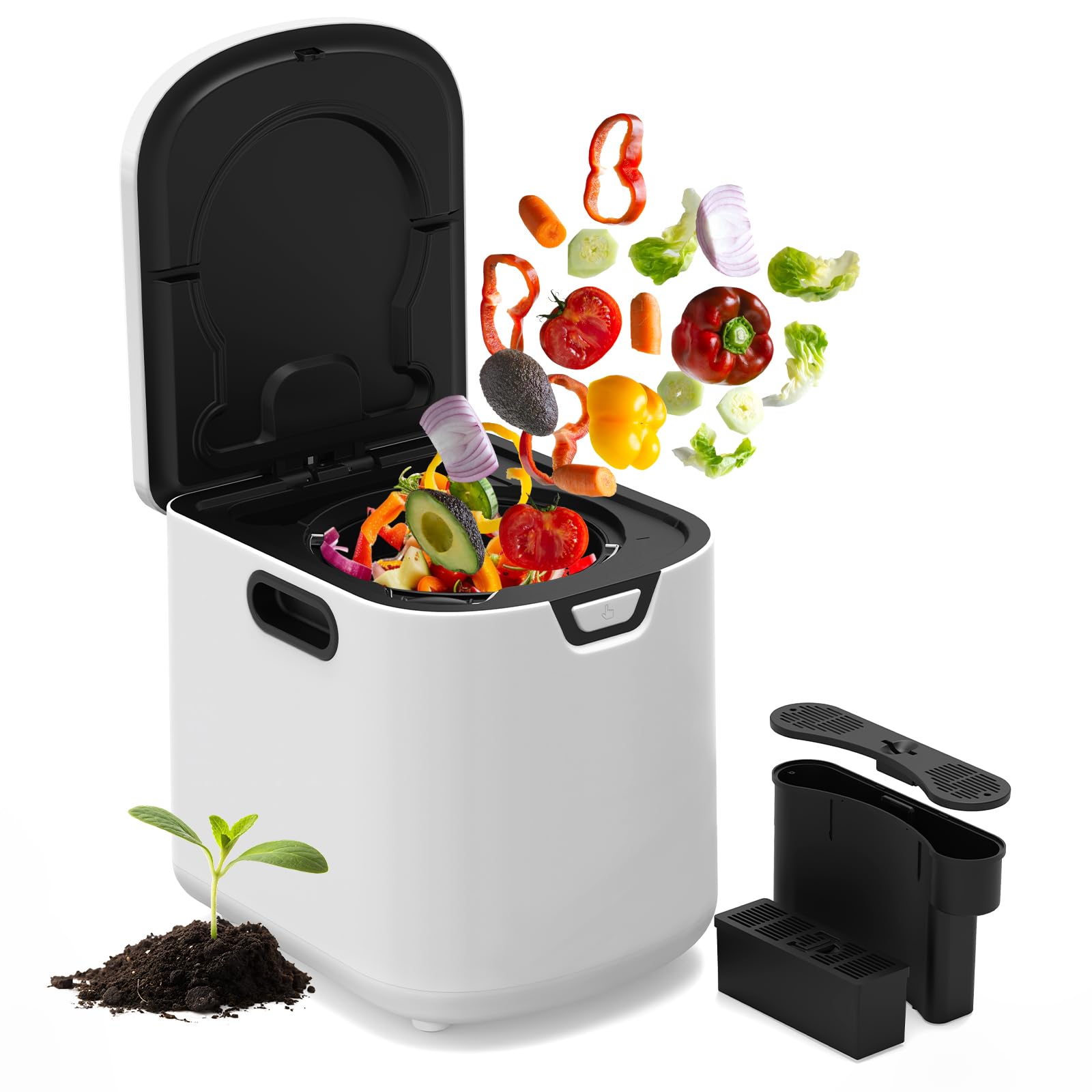
With two carbon filters sharing the load, the built-in alert system is worth actually paying attention to rather than dismissing — by the time odour becomes noticeable, the filters have usually been working below capacity for a while already. Treat the alert as a "replace soon" nudge rather than a "replace immediately or it'll fail" warning, and keep a spare set on hand so you're never caught without one.